What Causes a Vehicle Ignition to Fail — and Why It Gets Worse Fast
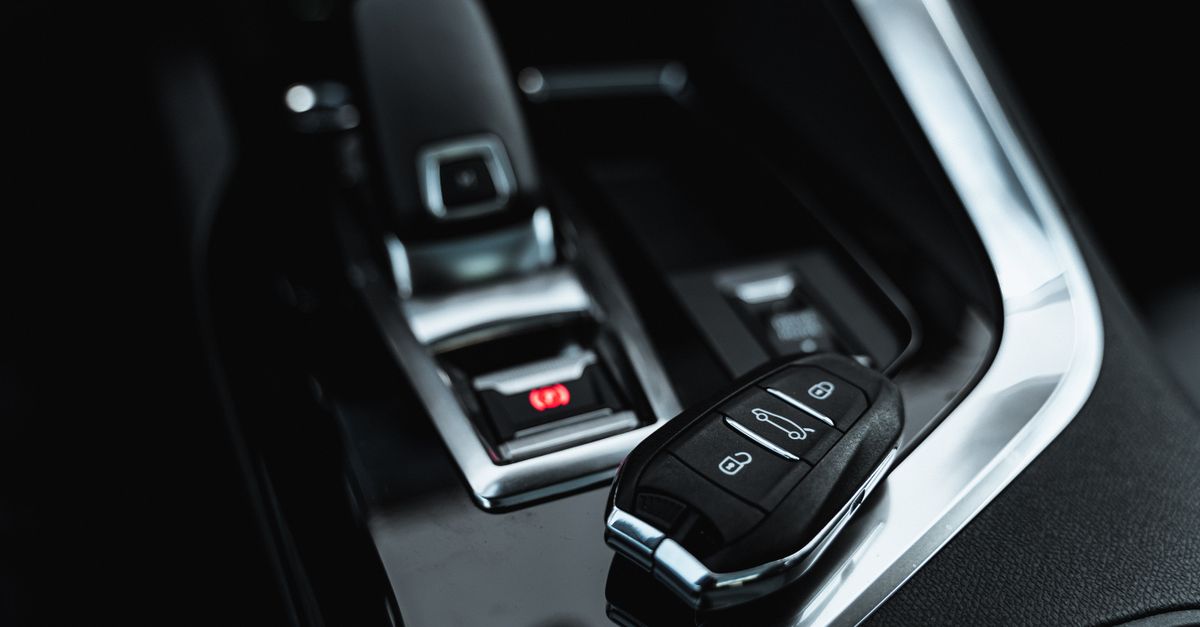
Vehicle ignition cylinders endure thousands of key insertions over a car's lifetime. The internal wafers or tumblers that read your key's cuts gradually wear down, causing the key to feel loose, sticky, or simply refuse to turn. In colder Midwest winters — the kind Cicero sees regularly from November through March — metal contracts, lubricants thicken, and a cylinder that was borderline functional in September can become completely unresponsive by January. Other common causes include debris and grime migrating into the cylinder, a bent or worn-down key that has slowly reshaped the internal tolerances, and damage from attempted theft, where someone has tried to force a screwdriver or similar tool into the barrel.
What makes ignition problems particularly urgent is that they rarely stabilize on their own. A cylinder that is 70% worn today will reach complete failure sooner than most drivers expect. Attempting to muscle a stiff ignition with excessive torque is one of the most common ways a key snaps off inside the cylinder — turning a manageable repair into a more involved extraction job. If your ignition is showing any resistance, grinding, or unusual play, that is the moment to call a trained technician rather than push your luck.