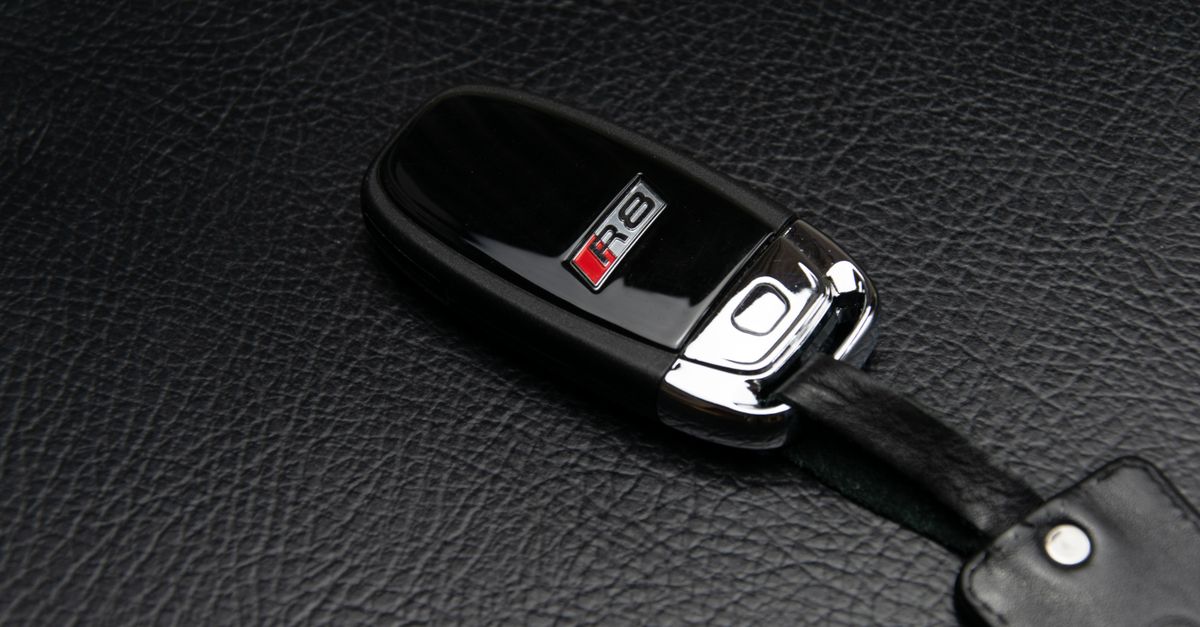
Audi Car Key Replacement: What Makes Audi Keys Different
Audi has used rolling-code transponder technology since the mid-1990s, and the complexity has increased with every generation. A basic transponder key contains a small chip in the bow that communicates with the vehicle's ECU; if that signal is absent or mismatched, the engine will crank but not start. Newer Audi key fobs add remote locking, trunk release, and in some cases a physical blade that folds into the housing. The most recent platform-based models — including several Q-series and A-series vehicles — use a proximity smart key that allows push-button start without inserting anything into the ignition at all. Each of these key types requires a different cut profile and a different programming protocol, and our technicians are trained on all of them.
Because Audi's immobilizer system pairs keys at the ECU level, adding or replacing a key is not simply a matter of copying a pattern. The new key must be introduced to the vehicle's computer in a way that the system accepts it as authorized. Cicero Locksmith's mobile units carry the diagnostic and programming equipment needed to complete that process in your driveway, parking lot, or roadside location — without damaging the ignition, the door lock, or any interior trim. We work damage-free wherever the procedure allows, and we will tell you honestly if a situation requires anything beyond our standard mobile scope before we begin.